Polyclonal antibodies from serum of immunized animals.
- Read More
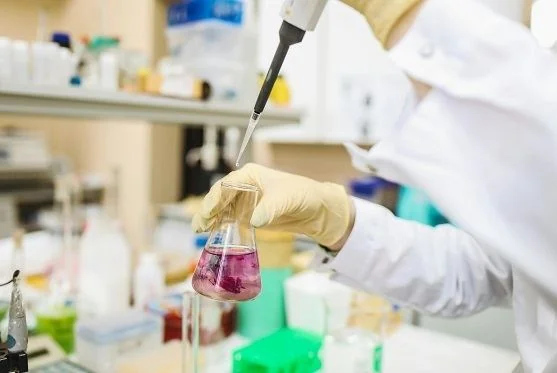
In order to
determine whether a product—whether it
be a pharmaceutical, medical device,
chemical, pesticide, food additive, or
cosmetic ingredient—can cause genetic
damage, genotoxicity testing is a
regulatory necessity. The main causes of
cancer and heritable genetic illnesses
include gene mutations, chromosomal
breakage, or changes in chromosome
numbers that might result from this
damage.
- Mammalian Cell Gene
Mutation Tests
- Pluripotency Marker
Testing
- Carcinogenesis Bioassay
- Bacterial Reverse Mutation Assay (
In-vitro )
- Mammalian Cell
Micronucleus Assay
Carcinogenicity
is a major consideration in the
assessment of risks due to environmental
chemicals. The carcinogen bioassay
therefore is a very important component
of the battery of toxicological tests
used in hazard evaluation.
- Analytical Toxicology
- In-vitro Testing
- Molecular and Genetic Markers
These services typically use affinity
chromatography techniques, such as
Protein A, G, or L columns, to
selectively bind antibodies based on
their Fc or light chain regions. For
higher specificity, antigen-specific
affinity purification can be used.
We Serve
For
- Research
& Development
- Health
diagnostics screening
-
Therapeutic
Development
Note: A representative gel-based genotoxicity readout (e.g., comet assay pattern). Your report includes your actual assay images and quantitative scoring. The chart above is illustrative artwork for orientation only and does not represent actual client data.
In order to determine whether a product—whether it be a pharmaceutical, medical device, chemical, pesticide, food additive, or cosmetic ingredient—can cause genetic damage, genotoxicity testing is a regulatory necessity. The main causes of cancer and heritable genetic illnesses include gene mutations, chromosomal breakage, or changes in.
Share the technical details of your sample or project and we will provide a quotation and expected turnaround time. You can reach us on WhatsApp/call at +91 9891 179928 or email mail@allelelifesciences.com.