
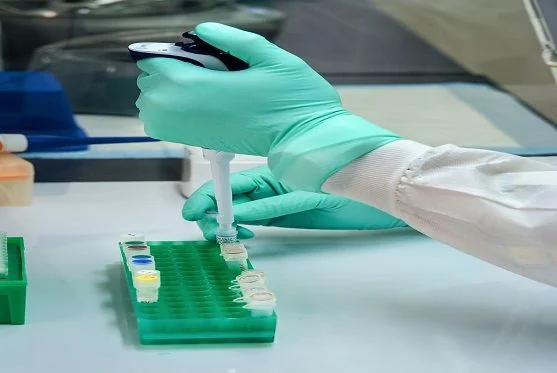
Cell biology studies grow and maintain cells outside a living organism under controlled lab conditions to run experiments, tests, or produce biological products. It's the umbrella discipline underneath most of modern drug discovery, toxicology testing, and biomanufacturing — everything from a single viability assay to full cell line development sits within it.
What Cell Biology Services Typically Cover
- Primary cell and cell line expansion
- Adherent and suspension culture
- Cell line authentication
- Flow cytometry and immunophenotyping
- Enzyme immunoassay
- Immunofluorescence microscopy
- Gel filtration, ion exchange, and affinity chromatography
Flow Cytometry Within Cell Biology
Flow cytometry is one of the most powerful tools in a cell biology lab's arsenal — it can measure hundreds of individual cells' characteristics per second. That throughput is what makes a thorough Flow Cytometry Full Testing Service possible: assessing cellular and signaling phenotypes, cytokine production, cellular division, and even intracellular signaling events, all from the same sample.
Core Assay Categories
| Category | What It Measures |
|---|---|
| Cell Viability and Proliferation | Whether cells are alive, dividing, and growing normally |
| Apoptosis and Cytotoxicity Testing | Whether a compound or condition is damaging or killing cells |
| Functional Assays | Whether cells are performing their expected biological role |
| Immunocytochemistry / Flow Cytometry | Which proteins and markers cells express |
| ELISA, qPCR, Western Blot | Downstream molecular confirmation of cell-based findings |
Why Labs Outsource Cell Biology Work
These services provide essential support for research, drug discovery, toxicity testing, and other biomedical applications. Outsourcing gives organizations access to specialized technical expertise, state-of-the-art facilities, and standardized protocols — without needing to build and maintain that capability in-house.
Frequently Asked Questions
What do cell biology studies actually involve?
Cell biology studies involve growing and maintaining cells outside a living organism under controlled lab conditions, to run experiments, tests, or produce biological products — covering everything from culture and cell line development to flow cytometry and functional assays.
What role does flow cytometry play in cell biology work?
Flow cytometry can measure hundreds of individual cells' characteristics per second, supporting assessment of cellular and signaling phenotypes, cytokine production, cellular division, and intracellular signaling events.
What assay categories are typically included?
Core categories include cell viability and proliferation assays, apoptosis and cytotoxicity testing, functional assays, immunocytochemistry and flow cytometry, and downstream confirmation by ELISA, qPCR, or Western blot.
Why do research organizations outsource cell biology services?
Outsourcing gives access to specialized technical expertise, state-of-the-art facilities, and standardized protocols, without the overhead of building and maintaining that capability in-house.