
DNA methylation is a chemical mark added to DNA that controls gene transcription without changing the underlying sequence — one of the most significant epigenetic mechanisms researchers study. Most of it occurs on cytosines followed by a guanine residue (CpG sites), where methylation at the fifth carbon of the pyrimidine ring produces 5-methylcytosine (5mC).
Why DNA Methylation Matters
DNA methylation is a significant epigenetic alteration that impacts gene expression by controlling transcription. It's studied extensively in cancer research, postnatal and embryonic development, and in understanding how environmental factors and hormones influence epigenetic inheritance across generations.
Methods for Studying Methylation
| Method | What It's Best For |
|---|---|
| Targeted Bisulfite Sequencing | High-resolution methylation mapping of specific regions of interest |
| Whole Genome Bisulfite Sequencing | Genome-wide methylation profiling |
| Methylation-Specific PCR | Detecting promoter hypermethylation at CpG islands in cell lines and clinical samples |
| DNA 5mC Quantification by LC-MS/MS | Precise, absolute quantification of global 5mC levels |
| DNA 5mC ELISA Quantification | Faster, lower-cost global methylation screening |
| ChIP Sequencing (ChIP-Seq) | Mapping protein-DNA interactions linked to methylation and chromatin state |
How Methylation-Specific PCR Works
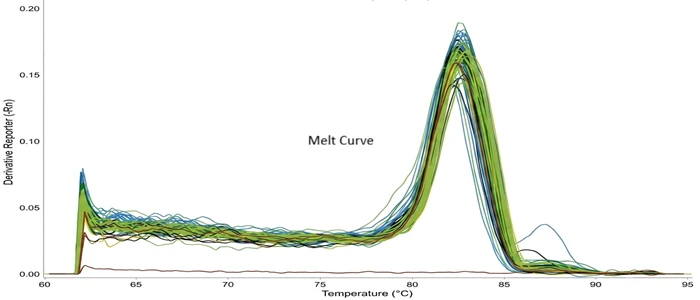
Methylation-Specific PCR is a technique for detecting promoter hypermethylation at CpG islands. The workflow starts with DNA extraction, followed by sodium bisulfite modification — which converts unmethylated cytosines to uracil while leaving methylated cytosines unchanged — then DNA extraction and recovery after modification, methylation-specific PCR itself, and finally PCR data analysis.
The Workflow, Step by Step
- DNA extraction from the sample
- Sodium bisulfite modification of the DNA
- DNA extraction and recovery after modification
- Methylation-specific PCR
- PCR data analysis
Applications
- Cancer biomarker discovery and tumor classification
- Developmental biology — tracking methylation changes across embryonic and postnatal stages
- Environmental epigenetics — studying how exposure to hormones or toxins alters methylation patterns
- Clinical diagnostics — promoter hypermethylation as a disease marker
Frequently Asked Questions
What is DNA methylation?
DNA methylation is an epigenetic modification, most commonly occurring on cytosines followed by a guanine residue (CpG sites), where methylation at the fifth carbon produces 5-methylcytosine (5mC). It controls gene transcription without altering the underlying DNA sequence.
What is methylation-specific PCR used for?
Methylation-specific PCR detects promoter hypermethylation at CpG islands in cell lines and clinical samples, commonly used in cancer research and diagnostics.
What's the difference between targeted and whole genome bisulfite sequencing?
Targeted bisulfite sequencing provides high-resolution methylation mapping of specific regions of interest, while whole genome bisulfite sequencing profiles methylation across the entire genome.
Why is DNA methylation important in cancer research?
DNA methylation is a significant epigenetic alteration that impacts gene expression by controlling transcription, and abnormal methylation patterns — particularly promoter hypermethylation — are widely studied as cancer biomarkers.