
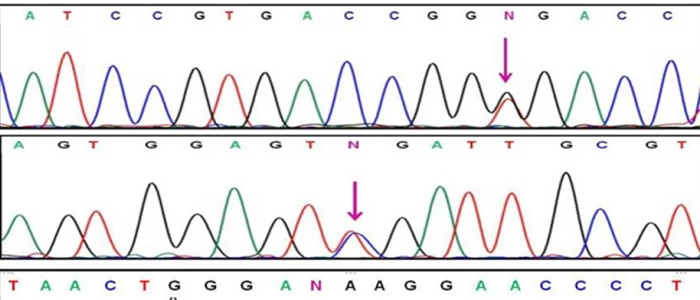
Mutation analysis finds variations in DNA sequences that could be connected to drug reactions, malignancies, or hereditary illnesses. Determining whether a mutation is acquired (somatic) or inherited (germline) is essential to diagnosis, treatment planning, and prevention — the same variant can mean very different things depending on which it is.
Somatic vs. Germline Mutations
Mutations are genetic changes acquired in germ cells or non-germ (somatic) cells, and they can appear as insertions, deletions, or base pair changes in coding or non-coding regions. Germline mutations are inherited and present in every cell, relevant to hereditary disease risk and reproductive decisions. Somatic mutations arise after conception, often driving cancers, and are typically relevant to a specific tissue rather than the whole body.
Methods Used in Mutation Analysis
| Method | Best Suited For |
|---|---|
| Sanger Sequencing | Gold standard for confirming a specific, suspected mutation |
| Next-Generation Sequencing (NGS) | Broad, multi-gene panels or unbiased variant discovery |
| ARMS-PCR | Fast, targeted detection of a known point mutation |
| Southern Blot | Detecting larger structural changes, such as gene rearrangements |
Why Mutation Analysis Matters
- Diagnosing genetic diseases with a molecular basis
- Identifying cancer-driving mutations to guide targeted therapy
- Building precision medicine plans around a patient's specific variants
- Predicting drug response based on known pharmacogenomic markers
- Supporting reproductive decisions and carrier screening
- Assessing hereditary disease risk across a family
What a Standard Report Includes
- PCR-Sanger sequencing, NGS panel, or allele-specific PCR results, depending on the method used
- Confirmation sequencing for any variant calls where appropriate
- Clear variant reporting referenced to standard nomenclature
- A report with trace files or reads alongside a variant summary
Choosing the Right Approach
When a specific mutation is already suspected — from family history or a prior test — Sanger sequencing remains the gold standard for confirmation. When the question is broader, such as screening for any cancer-driving variant across a panel of genes, NGS is usually the better fit. The right method depends entirely on whether the goal is confirmation or discovery.
Frequently Asked Questions
What is mutation analysis?
Mutation analysis is the process of finding variations in DNA sequences that could be connected to drug reactions, malignancies, or hereditary illnesses, and determining whether they're acquired or inherited.
What's the difference between somatic and germline mutations?
Germline mutations are inherited and present in every cell, relevant to hereditary disease risk. Somatic mutations arise after conception and are typically confined to specific tissue, often driving cancers.
When is Sanger sequencing used instead of NGS?
Sanger sequencing is the gold standard for confirming a specific, already-suspected mutation. NGS is better suited to broader multi-gene panels or unbiased variant discovery when the specific mutation isn't yet known.
What does a mutation analysis report include?
A report typically includes sequencing or PCR results, confirmation sequencing for variant calls where appropriate, clear variant reporting referenced to standard nomenclature, and trace files or reads alongside a variant summary.